
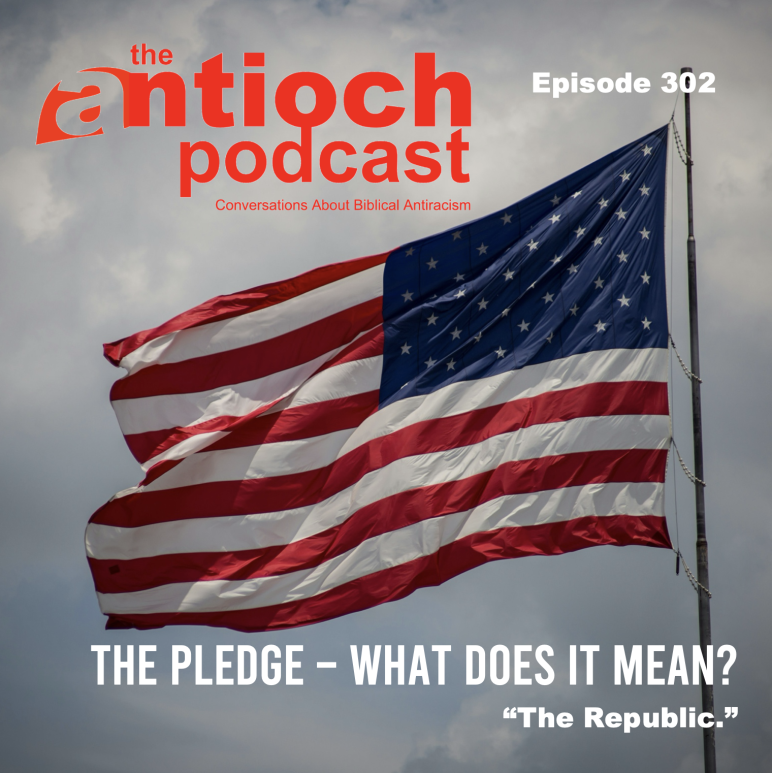
And to the republic, for which it stands. We say these words all the time, but what is a republic anyway? According to the Encyclopedia Britannica, a republic is a form of government in which a state is ruled by representatives of the citizen body. Modern republics are founded on the idea that sovereignty rests with the people, though who is included and excluded from the category of the people has varied across history.
In the United States, that is quite true. As a white guy who owns his own house, I would have been able to vote back during the founding of the republic, but that wouldn’t have been the case if you weren’t white, land owning or male back then. Literally things didn’t change until the white, landowning men running the country voted to allow more people to be able to vote. Even today we still argue about who should be able to vote, or how convenient it should be for all people to vote, which makes you wonder if much has changed in the past 250 years. Perhaps Christine Pelosi, summed up the state of our nation best:
When it comes to voting rights, Democrats push voter protection while Republicans shout voter fraud in a crowded polling place. Democrats think anyone who can vote should vote; Republicans think everyone who should vote can vote.
Our team of Christian antiracist educators and friends sit down to talk about what it means to pledge allegiance to our republic.